Carpet cleaning Oakleigh Park EN5 homes: a practical guide for fresher, healthier floors
If you live in Oakleigh Park and your carpets are starting to look a little tired, you are not alone. Everyday life leaves a mark: muddy shoes after a wet school run, pet accidents that seem to appear out of nowhere, tea spills that settle in before you can grab a cloth, and that general flattening that happens slowly over time. Carpet cleaning Oakleigh Park EN5 homes is about more than making a room look neat again. Done properly, it helps restore texture, lift embedded dirt, and keep your home feeling more comfortable underfoot.
In this guide, we'll walk through how carpet cleaning works, what results you can realistically expect, which methods suit different homes, and the common mistakes that can make carpets look worse rather than better. You'll also find a checklist, a comparison table, and a few grounded tips from real-world experience. Nothing flashy. Just the kind of advice that helps you make a sensible decision.
Contents
- Why carpet cleaning matters in Oakleigh Park EN5 homes
- How professional carpet cleaning works
- Key benefits and practical advantages
- Who this is for and when it makes sense
- Step-by-step guidance
- Expert tips for better results
- Common mistakes to avoid
- Tools, resources and recommendations
- Law, compliance, standards, or best practice
- Options, methods, and comparison
- Case study or real-world example
- Practical checklist
- Conclusion
- Frequently asked questions
Why carpet cleaning Oakleigh Park EN5 homes matters
Carpets do a lot of work in a home. They soften noise, add warmth, and make living spaces feel finished. But they also act like a filter. Dust, skin flakes, grit from outdoors, crumbs, pollen, and the odd splash all settle into the fibres. In a busy household, that build-up can happen faster than people expect.
In Oakleigh Park, many homes see a mix of family traffic, commuting patterns, and everyday footfall that can bring dirt in from outside. If you have children, guests, or pets, the carpet is usually the first place to show it. A quick vacuum helps, of course, but it only reaches surface debris. Deep cleaning is what deals with the dirt that sits lower in the pile and the marks that have already settled in.
There is also a comfort factor people sometimes overlook. A clean carpet changes how a room feels. It smells fresher. It looks brighter. You notice it first thing in the morning, or when the heating comes on and the room no longer carries that stale, dusty background smell. A small thing, maybe, but it matters.
Expert summary: If your carpet has visible traffic lanes, lingering odours, or stains that keep reappearing after spot cleaning, you are usually past the stage where vacuuming alone will solve it.
If you are comparing home cleaning options more broadly, it can help to look at related services such as domestic cleaning, deep cleaning, or one-off cleaning, especially if you want the carpets tackled as part of a bigger home refresh.
How carpet cleaning Oakleigh Park EN5 homes works
Professional carpet cleaning usually follows a fairly consistent process, though the exact approach depends on the fibre type, the level of soil, and the condition of the room. The important bit is that the cleaner does not just throw water at the carpet and hope for the best. That would be, let's face it, a bit pointless.
Most jobs begin with inspection. A cleaner checks the carpet material, identifies stains, looks for wear patterns, and decides whether the carpet needs pre-treatment. Wool, synthetic fibres, blended pile, and loop pile all behave differently. Some carpets can handle stronger agitation; others need a lighter touch.
Then comes vacuuming and pre-treatment. This removes loose dirt and loosens oils and embedded residue. Spot stains may get targeted with a stain-removal solution, while pet-prone areas might need odour-focused treatment. For homes with pets, the approach is often more careful because urine can sink deeper than the surface shows.
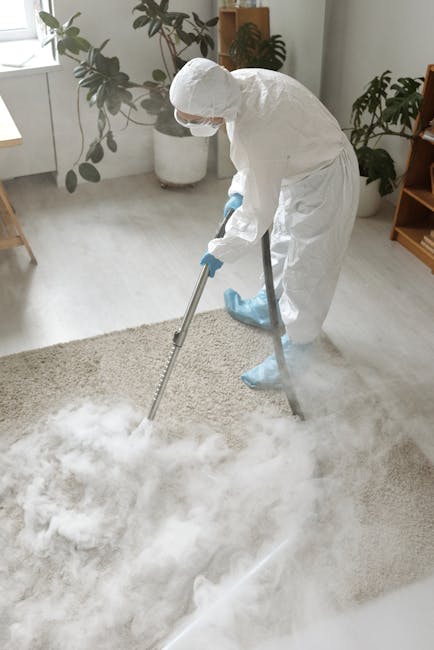
After that, the main cleaning method is applied. In many homes this is hot water extraction, often called steam cleaning in everyday conversation. The machine injects solution into the fibres and extracts it again, taking dissolved dirt with it. Other methods exist too, and we'll compare them later.
Finally, drying and finishing matter more than many people think. A carpet that is cleaned well but left damp for too long can feel unpleasant and may smell musty. Good airflow, moderate heat, and sensible aftercare help the carpet dry evenly.
If you need a broader carpet-focused service rather than a one-off clean, take a look at carpet cleaning and steam carpet cleaning to understand how those services are typically framed.
Key benefits and practical advantages
People often book carpet cleaning for one visible reason, then discover several quieter benefits afterward. That is usually how it goes.
- Better appearance: traffic lanes, dull patches, and dulling caused by dust are reduced.
- Improved freshness: carpets often carry trapped smells from food, pets, and everyday living.
- More comfortable rooms: a freshly cleaned carpet can make a lounge or bedroom feel noticeably calmer.
- Support for allergy-sensitive households: while not a medical solution, removing built-up debris may help reduce the amount of dust sitting in the carpet.
- Longer carpet life: grit acts like sandpaper underfoot, so removing it can help slow visible wear.
- Better results before moving out or moving in: a clean carpet creates a better impression at the start or end of a tenancy.
There is also a maintenance advantage. Once a carpet has been properly deep cleaned, routine vacuuming tends to be more effective. You are not fighting against months of embedded build-up. The carpet simply stays cleaner for longer, which is reassuring when life is busy.
In some homes, the improvement is mostly visual. In others, it is practical. A family room after a winter of muddy shoes, for example, can feel completely different once the fibres are lifted and the surface looks even again. Not dramatic in a magazine sense. Just nicer to live with.
Who this is for and when it makes sense
Carpet cleaning is not just for homes that look filthy. In fact, many of the best results happen in homes that look "mostly fine" but have slow, everyday build-up that the eye has stopped noticing.
This service usually makes sense if you are:
- living in a family home with heavy foot traffic
- dealing with pet hair, pet odours, or the occasional accident
- preparing for guests, family events, or a property sale
- moving in and want a proper reset before unpacking
- moving out and want the property presented neatly
- managing a rental home and want the carpet presentable between tenancies
- trying to restore carpets after a long stretch without a deep clean
It also makes sense after everyday incidents: a dropped glass of juice, a muddy hallway after rain, or a stubborn mark from a piece of furniture. Truth be told, the sooner a stain is addressed, the better the odds. But even older marks can sometimes be improved, especially if the fibre has not been damaged.
If the issue is more specific, such as a single patch, a pet incident, or a sofa that has picked up the same odours as the room, related services like stain removal or pet stain odour removal can be useful alongside the carpet clean.
Step-by-step guidance
Here is a simple, realistic way to think about the process from start to finish.
- Walk through the rooms first. Check where the main marks are, which areas get the most traffic, and whether any spots need extra care.
- Identify the carpet type. Wool, synthetic, and blended carpets all behave differently. If you are unsure, avoid harsh trial-and-error cleaning. That rarely ends well.
- Vacuum thoroughly. This step matters because loose dirt can turn into muddy residue once cleaning solution is added.
- Pre-treat problem areas. Spots near doorways, under tables, or around pet zones often need specific attention before the main clean.
- Choose the right method. Steam extraction, low-moisture cleaning, or specialist stain work may be appropriate depending on the carpet and the room.
- Clean in a controlled way. Slow passes and even extraction are better than rushing. Rushing leaves moisture and residue behind.
- Dry with care. Open windows if weather allows, keep airflow moving, and avoid heavy walking until the carpet is properly dry.
- Inspect once dry. Some marks become visible only after the carpet dries. This is normal, and it helps you decide whether a second light treatment is needed.
A practical example: if you are cleaning a sitting room with a pale carpet and a few dark walking routes, a good approach is to pre-vacuum, treat the traffic lanes, clean the main area, then spot-treat anything left behind. That sequence usually gives a more even result than going straight after the worst stain first.
Expert tips for better results
Small choices make a big difference with carpets. Here are the things that tend to matter most.
- Act on spills early. Blot, don't rub. Rubbing pushes the spill deeper and can distort the pile.
- Test any product first. Even gentle cleaners can affect colour or texture on delicate fibres.
- Use as little moisture as needed. More water is not the same as better cleaning.
- Keep traffic off damp areas. Shoes and wet socks are not your friend here.
- Work from the cleanest part outward. It helps prevent spreading soil across already-treated areas.
- Pay attention to edges and corners. These often hold the dust that gets missed in a quick vacuum.
- Check under furniture. You may find hidden marks, flattened pile, or a surprise crumb ecosystem. Happens more than people admit.
A slightly unusual but useful tip: if a room smells stale, don't assume the carpet is the only cause. Curtains, upholstery, and mattresses can carry odours too. If the whole room needs a reset, it may be worth looking at upholstery cleaning, curtain cleaning, or even mattress cleaning so the result feels consistent rather than half-done.
And one more thing: a carpet can look dry on the surface while holding moisture lower in the pile. Give it a bit of breathing room. No need to rush the furniture back too quickly.
Common mistakes to avoid
Most carpet problems after cleaning are not caused by the carpet cleaner itself. They are caused by avoidable choices before or after the clean. A few are surprisingly common.
- Using too much detergent: residue attracts dirt and can make the carpet re-soil faster.
- Scrubbing hard at stains: this can roughen fibres or spread the mark.
- Cleaning without checking fibre type: wool and synthetics do not respond the same way.
- Walking on the carpet too soon: it can flatten damp fibres and track dirt back in.
- Ignoring drying time: this can leave a musty smell or uneven finish.
- Trying multiple products at once: mixing chemicals is messy at best and risky at worst.
One common mistake we see in practice is the "I'll just spot-clean it again" loop. A homeowner keeps treating the same patch every few days, hoping it will vanish. Instead, the area becomes overwet, the residue builds up, and the stain seems to keep returning. It is frustrating, but not unusual. Better to pause and use a more structured method.
Another one: forgetting that the carpet may be old rather than dirty. If the fibres are worn, no cleaner can make them new. A good service should tell you that plainly.
Tools, resources and recommendations
You do not need a huge kit to maintain a carpet between professional cleans. In fact, a simple, well-chosen set of tools usually works best.
| Tool or approach | Best for | Why it helps |
|---|---|---|
| Quality vacuum cleaner | Weekly maintenance | Removes loose grit before it works deep into the pile |
| Microfibre cloths | Fresh spills | Good for blotting without pushing liquid around |
| Gentle spot treatment | Small marks | Useful when used sparingly and tested first |
| Fan or ventilation | After cleaning | Helps carpets dry more evenly and reduces lingering dampness |
| Protective mats at entrances | High-traffic homes | Reduces the amount of grit brought indoors |
If you want to understand service scope or plan a broader clean, the site's pricing and quotes page is useful for comparing what is included and how cleaning needs are usually assessed. You can also review practical policies such as insurance and safety and health and safety if you want reassurance about process and standards.
For homes with a lot of mixed surfaces, it may also help to think beyond the carpet. A room often feels better when the carpet, sofa, and hard floor are all treated as part of the same space. It sounds obvious, but people miss it. Then they wonder why the room still feels dusty.
Law, compliance, standards, or best practice
For most homeowners, carpet cleaning is a practical household service rather than a heavily regulated activity. Still, good providers should follow sensible UK best practice around chemical handling, surface protection, customer care, and safe working. That means using products responsibly, protecting furniture and nearby surfaces, and being clear about what can and cannot be improved.
If you are booking cleaning in a rented property, it is wise to keep expectations realistic. End-of-tenancy carpet cleaning is often about presenting the carpet well and removing visible soil, not promising miracles on years of wear. The same goes for old stains that may have permanently altered fibre colour.
Trusted providers should also be transparent about terms, payments, and complaints handling. Those details may feel dull, but they matter when you are letting someone into your home. It is fair to look at the company's policies before booking, including terms and conditions, payment and security, and complaints procedure.
One more point worth mentioning: responsible waste and water use are increasingly part of good practice. Where possible, a thoughtful cleaner should avoid unnecessary waste and clean in a way that respects both the property and the environment. If that matters to you, recycling and sustainability is worth a look.
Options, methods, and comparison table
Different carpets need different approaches. The "best" method depends on fibre type, soil level, drying time, and what kind of marks you are dealing with. Here is a simple comparison.
| Method | Best suited to | Strengths | Watch-outs |
|---|---|---|---|
| Hot water extraction | Most standard household carpets | Deep soil removal, strong freshening effect | Longer drying time if overused |
| Low-moisture cleaning | Carpets needing faster turnaround | Quicker drying, less disruption | May be less effective on heavy soiling |
| Targeted stain treatment | Specific marks or spots | Focused approach, often best as a pre-step | Not always enough on its own |
| Pet-focused treatment | Homes with accidents or odour issues | Addresses smell and contamination deeper in the pile | Results depend on how long the issue has been present |
If you are weighing up whether to clean carpets only or combine services, consider the wider room condition. A hallway may need carpet cleaning plus window cleaning to brighten the whole entrance. A kitchen-adjacent area might benefit from hard floor cleaning alongside the carpet work. Small choices, big difference.
Case study or real-world example
Here's a typical Oakleigh Park-style example. A family in a three-bedroom home booked a carpet clean after noticing the hallway looked darker than the rest of the house. Not filthy, just tired. The lounge also had a faint smell that seemed to stay even after vacuuming.
On inspection, the hallway had the usual mix of grit from outside, shoe marks, and flattened pile along the most used route. The lounge had a couple of drink marks and some pet-related odour near the sofa area. Nothing dramatic. Just normal life, really.
The cleaner pre-vacuumed, treated the traffic lane, worked on the drink marks, and used a more targeted odour treatment near the sofa zone. They also advised opening windows for airflow and keeping the room traffic light until fully dry. The result was not "new carpet" magic. But the hallway looked brighter, the pile stood up better, and the smell in the lounge dropped away enough that the family noticed it that evening.
That is the kind of outcome most homeowners are after. Not perfection. Just a genuine reset.
Practical checklist
Use this checklist before and after your carpet clean to keep things simple.
- Vacuum the carpet before treatment
- Move small furniture where practical
- Point out stains, wear marks, and pet areas
- Check whether the carpet is wool, synthetic, or blended
- Ask how long drying is likely to take
- Keep pets and children away from damp areas
- Open windows where weather and security allow
- Avoid putting furniture back too early
- Inspect the carpet once fully dry
- Maintain with regular vacuuming after the clean
If you are planning a full home reset, it can help to line up carpet cleaning with other housekeeping tasks. For example, some homeowners combine it with house cleaning or regular cleaning so the result lasts longer and the rest of the home feels just as fresh.
Quick takeaway: the best carpet cleaning outcome usually comes from good prep, the right method, sensible drying, and honest expectations. That combination beats any miracle product, every time.
Get a free quote today and see how much you can save.
Conclusion
Carpet cleaning Oakleigh Park EN5 homes is one of those jobs that quietly improves everyday life. It brightens rooms, lifts trapped dirt, reduces stale smells, and helps carpets last longer when handled properly. The best results come from choosing the right method for the fibre, treating stains carefully, and giving the carpet time to dry fully. Simple, really, though not always easy to do well.
If your carpets have been bothering you for a while, that is usually a sign to act. Not because the house is failing or because the carpet is beyond help, but because clean, well-kept floors make a home feel more settled. And once it is done, you notice. Every time you walk through the room.
A fresher carpet can change the mood of a whole home, and sometimes that is exactly the reset people need.
Frequently asked questions
How often should carpets be professionally cleaned in Oakleigh Park homes?
It depends on traffic, pets, children, and how quickly your carpets show soil. Many households book a deep clean when the carpet starts to look dull or hold odours, even if it is not visibly dirty.
Is steam cleaning safe for all carpets?
No, not automatically. Steam or hot water extraction works well for many synthetic carpets, but some wool or delicate carpets need a gentler method. The fibre type should always guide the decision.
Can carpet cleaning remove old stains?
Sometimes, yes. But it depends on the stain, how long it has been there, and whether any previous cleaning attempts have set it deeper. Older marks often improve, even if they do not vanish completely.
How long does carpet drying usually take?
Drying time varies with method, room temperature, airflow, carpet thickness, and how much moisture was used. Good ventilation helps a lot. A cleaner should give a realistic estimate based on the job.
Will carpet cleaning get rid of pet smells?
It can reduce or remove many pet smells, especially if the odour is in the fibres rather than deep in the underlay. More serious pet contamination may need targeted treatment.
Do I need to move all the furniture myself?
Not necessarily. Small or lightweight items are often moved before cleaning, while larger furniture may be cleaned around or worked under carefully. It is best to confirm this before the appointment.
Is carpet cleaning worth it before moving out?
Usually, yes. Clean carpets help a property present better, which is useful at the end of a tenancy or before a sale. It also helps if the room has visible wear or smells that need sorting.
Can I walk on the carpet right after cleaning?
You can walk on it carefully if needed, but it is better to limit foot traffic until it is dry. Clean socks only, if possible. Bare feet are fine too, though not ideal if the carpet is still damp.
What is the difference between carpet cleaning and stain removal?
Carpet cleaning treats the whole carpet area, while stain removal targets specific marks. In many homes, the best results come from combining both approaches.
How do I know which carpet cleaning method is right for my home?
Start with the carpet fibre, the level of soiling, the type of stains, and how quickly the room needs to be usable again. A good provider should explain the options clearly and recommend the method that fits your situation, not just the one that sounds impressive.
Is there a good time of year to book carpet cleaning?
Spring and autumn are popular because the weather is often suitable for drying, but any time can work if the room has good airflow. In winter, heating and ventilation become more important.
What should I do if a stain comes back after cleaning?
That can happen when residue rises back to the surface as the carpet dries. It does not always mean the clean failed. A follow-up treatment may be needed, especially on older spills or heavily soiled areas.
Can carpet cleaning be combined with other services?
Yes, and often that makes sense. Homes with dusty upholstery, stained rugs, or a general build-up of dirt may benefit from combining carpet work with rug cleaning, sofa cleaning, or one-off cleaning for a more complete refresh.